

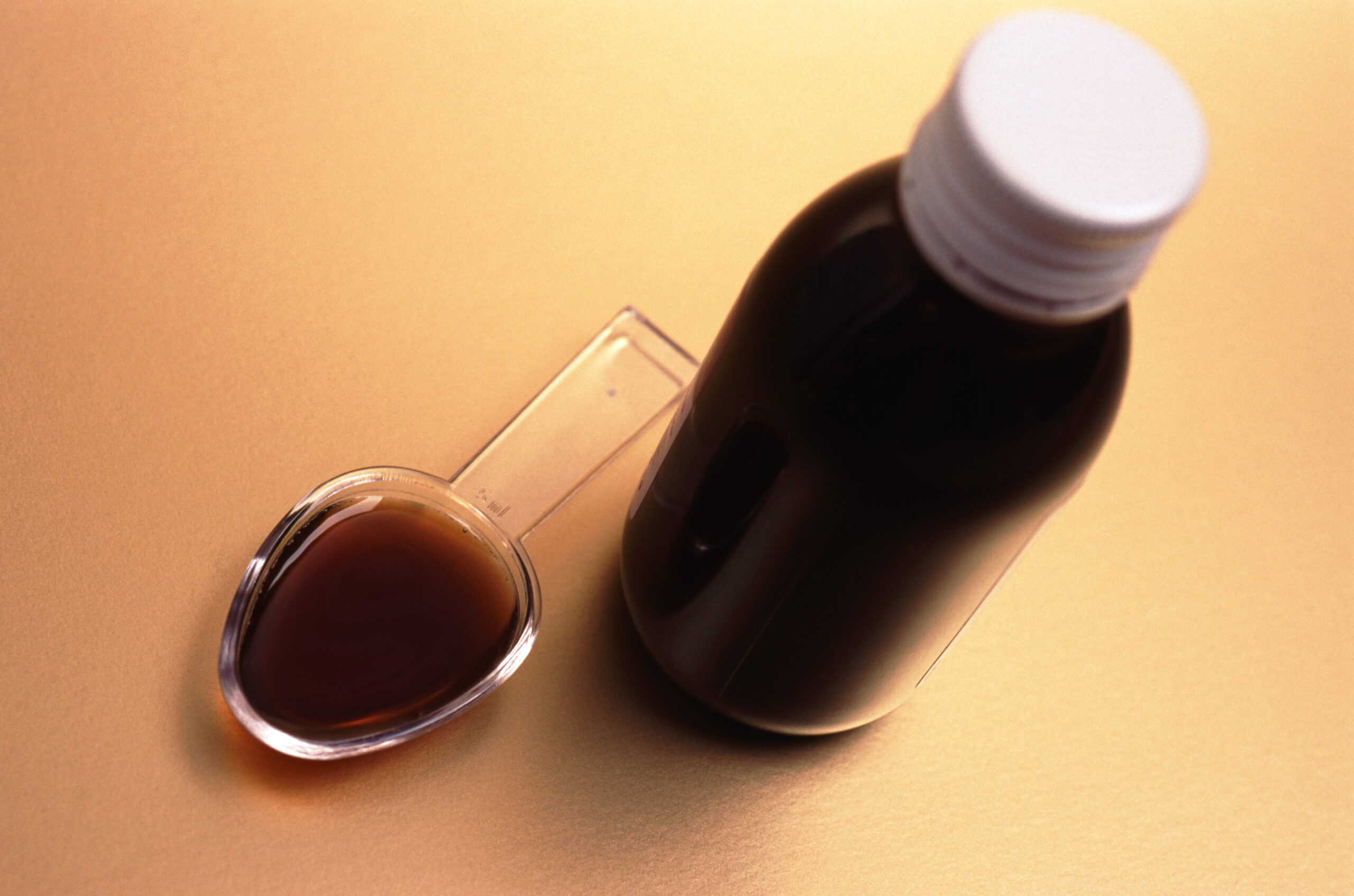
Viscometers are utilised within the pharmaceutical industry because they ensure the correct flow behaviour, stability, and performance of liquid medicines, suspensions, gels, ointments, and injectable formulations.
In pharmaceuticals, viscosity is far more than a physical property — it directly affects drug safety, efficacy, manufacturability, and patient experience. Viscometers provide precise, repeatable viscosity measurements that help formulators control product consistency, optimise processing conditions, and maintain compliance with strict regulatory standards. Whether developing a cough syrup, a topical cream, or a sterile injectable, accurate viscosity control is fundamental to delivering high‑quality medicines.
Why Viscosity Matters in Pharmaceuticals?
Viscosity influences nearly every stage of pharmaceutical development and production. It affects:
Flow behaviour during mixing, pumping, and filling.
Drug release rate and bioavailability.
Spreadability and absorption of topical formulations.
Stability of suspensions and emulsions.
Syringeability and injectability of parenteral drugs.
Even small viscosity deviations can lead to sedimentation, phase separation, inconsistent dosing, or poor patient experience. Because pharmaceutical products must meet strict quality and performance criteria, viscosity measurement is a critical part of both formulation and quality control.
How Viscometers Support Pharmaceutical Manufacturing?
Viscometers are used throughout the pharmaceutical industry for:
Formulation development – optimising the rheology of syrups, gels, creams, and suspensions.
Quality control – ensuring every batch meets viscosity specifications.
Stability testing – monitoring viscosity changes over time or under stress conditions.
Process optimisation – improving mixing, homogenisation, and filling efficiency.
Regulatory compliance – providing validated, traceable viscosity data for GMP documentation.
Applications Across the Pharmaceutical Sector
Viscometers play a vital role in:
Oral liquids – syrups, suspensions, paediatric formulations.
Topical products – creams, ointments, gels, lotions.
Injectables – biologics, vaccines, high‑viscosity formulations.
Ophthalmic and nasal products – drops, sprays, gels.
Nutraceuticals and supplements – liquid vitamins, emulsions.
Each product type requires a specific viscosity profile to ensure correct dosing, stability, and patient usability.
Why Your Pharmaceutical Lab Needs a Viscometer?
Viscometers are more than a laboratory instrument — they are a cornerstone of pharmaceutical quality, safety, and efficiency. By integrating accurate viscosity measurement into your workflow, you can:
Ensure consistent product performance and patient experience.
Reduce batch failures and manufacturing costs.
Improve process control and scalability.
Maintain regulatory compliance.
Enhance stability and shelf‑life reliability.

The NuLine cone and plate viscometer is the perfect choice for any pharma lab looking to record and research viscosity. With accurate temperature control, viscosity readings far more accurate that traditional spindle machines, and software that can show detailed viscosity reading across a broad temperature or speed range – you can ensure your quality control and product R&D is backed by accuracy and reliability. What’s more – you only need a tiny sample size. No more waste!